
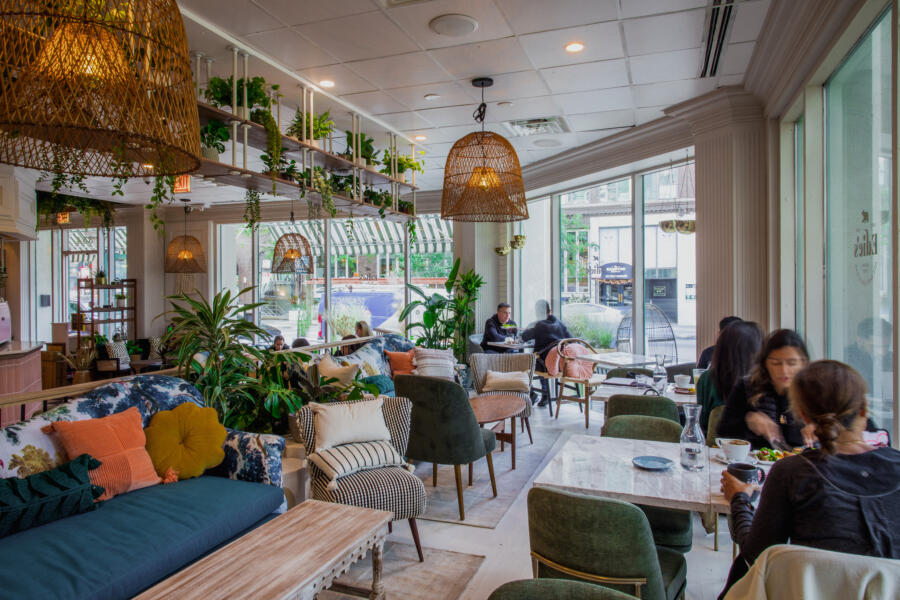
Designing a cozy neighborhood cafe requires thoughtful planning, warm aesthetics, and a strong understanding of community preferences. Unlike commercial chain outlets, neighborhood cafes succeed by creating a welcoming environment where visitors feel relaxed and connected.
A carefully designed cafe encourages customers to stay longer, return frequently, and recommend the space to others. From lighting to furniture selection, every element contributes to comfort and atmosphere.
Understand Your Neighborhood Audience
Before planning interiors or selecting furniture, it is important to understand the people who will visit your cafe regularly.
Consider factors such as
- Age group of local residents
- Student or working professional population
- Family-friendly expectations
- Preferred food and beverage choices
- Cultural preferences of the locality
A neighborhood cafe should reflect local personality rather than generic trends.
Choose a Warm and Inviting Interior Theme
Interior design defines the emotional experience of customers. A cozy environment typically includes soft lighting, comfortable seating, and calming color palettes.
Popular interior themes include
- Rustic wooden interiors
- Minimal modern designs with warm accents
- Vintage-inspired decor
- Nature-based interiors with plants and natural textures
Consistency in design creates a recognizable identity for the cafe.
Select Comfortable Seating Arrangements
Comfort is the foundation of a neighborhood cafe atmosphere. Seating should support both short visits and longer conversations.
Effective seating strategies include
- Sofa seating along walls
- Small two-person tables near windows
- Community tables for group interaction
- Outdoor seating if space allows
Mixing seating styles increases flexibility for different visitor types.
Use Lighting to Create a Relaxing Mood
Lighting plays a major role in shaping the mood of a cafe. Harsh lighting can make spaces feel cold, while soft lighting encourages relaxation.
Ideal lighting choices include
- Warm ceiling lights
- Pendant lights above tables
- Natural daylight through windows
- Accent lighting near artwork or shelves
Balanced lighting improves both comfort and visual appeal.
Add Personal and Local Touches
Personalized design elements help customers feel emotionally connected to the cafe.
Consider adding
- Local artwork displays
- Community notice boards
- Handwritten menu boards
- Bookshelves with shared reading materials
- Photographs representing neighborhood culture
These details make the space feel authentic rather than commercial.
Design an Efficient Counter Layout
The service counter should be functional while remaining visually attractive. A well-designed counter improves workflow and customer interaction.
Important counter design features include
- Clear menu visibility
- Organized equipment placement
- Quick service pathways
- Friendly interaction space for customers
An efficient counter layout reduces waiting time and improves overall satisfaction.
Include Natural Elements for Comfort
Natural textures create calm and welcoming environments. Even small additions can transform the cafe atmosphere.
Examples include
- Indoor plants
- Wooden furniture
- Stone or brick wall textures
- Natural fiber cushions
Nature-inspired interiors help customers feel relaxed and comfortable.
Create a Community-Friendly Atmosphere
A neighborhood cafe becomes successful when it feels like a shared local space rather than a commercial outlet.
Ways to encourage community connection include
- Hosting small events
- Supporting local artists
- Providing reading corners
- Offering board games
- Creating conversation-friendly seating layouts
These elements encourage repeat visits and build customer loyalty.
Plan Background Music Carefully
Music enhances the cafe experience when used thoughtfully. It should support conversation rather than dominate the environment.
Recommended choices include
- Soft acoustic playlists
- Instrumental music
- Low-volume jazz or classical tones
Comfortable sound levels make the cafe suitable for relaxation and social interaction.
Maintain Clean and Organized Spaces
Cleanliness directly influences customer comfort and trust. Even a beautifully designed cafe can lose appeal if maintenance is neglected.
Focus on maintaining
- Clean tables and seating
- Organized service counters
- Fresh-smelling interiors
- Well-maintained restrooms
Consistency in cleanliness supports long-term reputation.
Frequently Asked Questions
What colors make a cafe feel cozy
Warm shades such as beige, soft brown, muted green, and cream create a comfortable and relaxing environment suitable for neighborhood cafes.
How much seating should a small neighborhood cafe have
A small cafe typically benefits from flexible seating that accommodates both individuals and small groups rather than maximizing total seating capacity.
Is natural lighting important for cafe interiors
Natural lighting improves mood, enhances aesthetics, and makes the cafe feel more open and welcoming during daytime hours.
What furniture works best in a cozy cafe
Wooden chairs, cushioned sofas, compact tables, and window-side seating create comfort while maintaining efficient space usage.
Should neighborhood cafes include outdoor seating
Outdoor seating increases visibility and attracts walk-in customers when space and weather conditions allow.
How can a cafe encourage repeat customers
Personalized service, comfortable seating, community involvement, and consistent quality help build strong customer loyalty.
What decorations improve cafe atmosphere without increasing costs
Indoor plants, handwritten menu boards, framed local artwork, and warm lighting are affordable yet effective decoration choices.
