
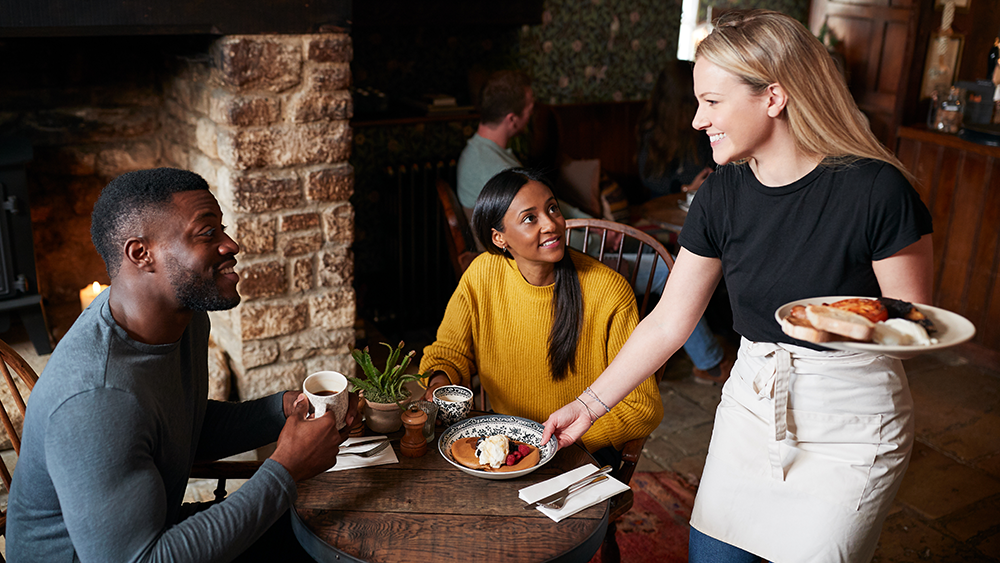
Customer loyalty is one of the strongest drivers of long term restaurant success. Loyal guests return frequently, recommend the restaurant to others, and contribute to consistent revenue growth. Building lasting relationships requires thoughtful service, consistent quality, and meaningful engagement beyond a single visit.
Restaurants that focus on trust and connection rather than one time transactions often develop strong community recognition and sustainable growth.
Deliver Consistent Food Quality Every Visit
Consistency is the foundation of loyalty. Customers return when they trust that their favorite dish will taste the same each time they order it.
Maintaining consistent quality involves
- Standardized recipes
- Reliable ingredient sourcing
- Proper kitchen training
- Regular quality checks
When expectations are met repeatedly, customers feel confident choosing the restaurant again.
Provide Friendly and Attentive Service
Service plays a critical role in shaping guest experiences. Even simple gestures such as greeting customers warmly or remembering preferences can make a strong impression.
Effective service habits include
- Welcoming guests by name when possible
- Responding quickly to requests
- Maintaining polite communication
- Checking satisfaction during meals
Positive service interactions create emotional connections that encourage repeat visits.
Create a Comfortable Dining Environment
Atmosphere influences how customers feel during their visit. Cleanliness, lighting, music, and seating comfort all contribute to the overall dining experience.
Restaurants that maintain inviting environments often encourage customers to stay longer and return more frequently.
Key elements that support comfort include
- Clean dining areas
- Appropriate lighting levels
- Comfortable seating arrangements
- Pleasant background music
- Organized table spacing
A welcoming environment strengthens customer satisfaction naturally.
Introduce Customer Loyalty Programs
Loyalty programs reward repeat visits and motivate customers to choose the same restaurant regularly.
Popular loyalty program ideas include
- Reward points for purchases
- Special birthday offers
- Discount vouchers after multiple visits
- Exclusive menu previews for members
When customers feel appreciated, they are more likely to maintain a long term relationship with the restaurant.
Engage Customers Through Digital Communication
Digital engagement helps restaurants stay connected with guests even after they leave the dining space.
Effective communication channels include
- Email newsletters
- Social media updates
- Online reservation confirmations
- Promotional event announcements
Sharing useful updates keeps the restaurant present in customers daily routines and encourages future visits.
Personalize the Dining Experience
Personalization shows customers that the restaurant values their preferences and feedback.
Restaurants can personalize experiences by
- Remembering favorite dishes
- Offering customized spice levels
- Suggesting suitable menu combinations
- Recognizing special occasions
Personal attention makes guests feel respected and understood.
Respond Positively to Customer Feedback
Feedback helps restaurants improve services while showing customers that their opinions matter.
Practical feedback strategies include
- Listening carefully to concerns
- Resolving complaints quickly
- Thanking customers for suggestions
- Making visible improvements based on reviews
Customers appreciate restaurants that respond thoughtfully and professionally.
Host Community Events and Special Experiences
Community involvement strengthens relationships beyond regular dining visits. Events encourage interaction and help restaurants become familiar gathering spaces.
Examples of engagement activities include
- Seasonal tasting events
- Family dining nights
- Local celebration menus
- Weekend specialty promotions
Such initiatives create memorable experiences that encourage repeat visits.
Train Staff to Represent the Brand Positively
Employees represent the restaurant in every interaction. Well trained staff communicate professionalism and reliability.
Staff development should focus on
- Communication skills
- product knowledge
- teamwork coordination
- service etiquette
Confident staff members help create positive impressions that build long term loyalty.
Maintain Transparency and Trust
Trust encourages customers to remain loyal even when new competitors appear nearby.
Restaurants can strengthen trust by
- displaying ingredient information clearly
- maintaining hygiene standards
- offering honest pricing
- communicating service policies openly
Transparency builds credibility and encourages repeat visits.
FAQ Section
Why is customer loyalty important for restaurants
Customer loyalty increases repeat visits improves revenue stability and supports positive word of mouth promotion.
How can small restaurants compete with larger brands in building loyalty
Small restaurants can focus on personalized service local engagement and consistent food quality to create strong relationships.
Do loyalty programs always increase customer retention
Loyalty programs are effective when rewards are meaningful simple to understand and easy to redeem.
What role does staff behavior play in customer loyalty
Friendly professional staff interactions strongly influence whether customers return after their first visit.
How can restaurants recover after a negative customer experience
Prompt communication sincere apologies and practical solutions help rebuild trust after service problems.
Are online reviews important for maintaining loyal customers
Yes positive reviews reinforce confidence while professional responses to negative reviews demonstrate responsibility.
How does restaurant atmosphere influence customer relationships
Comfortable welcoming environments encourage guests to relax enjoy their meals and return more often.
