
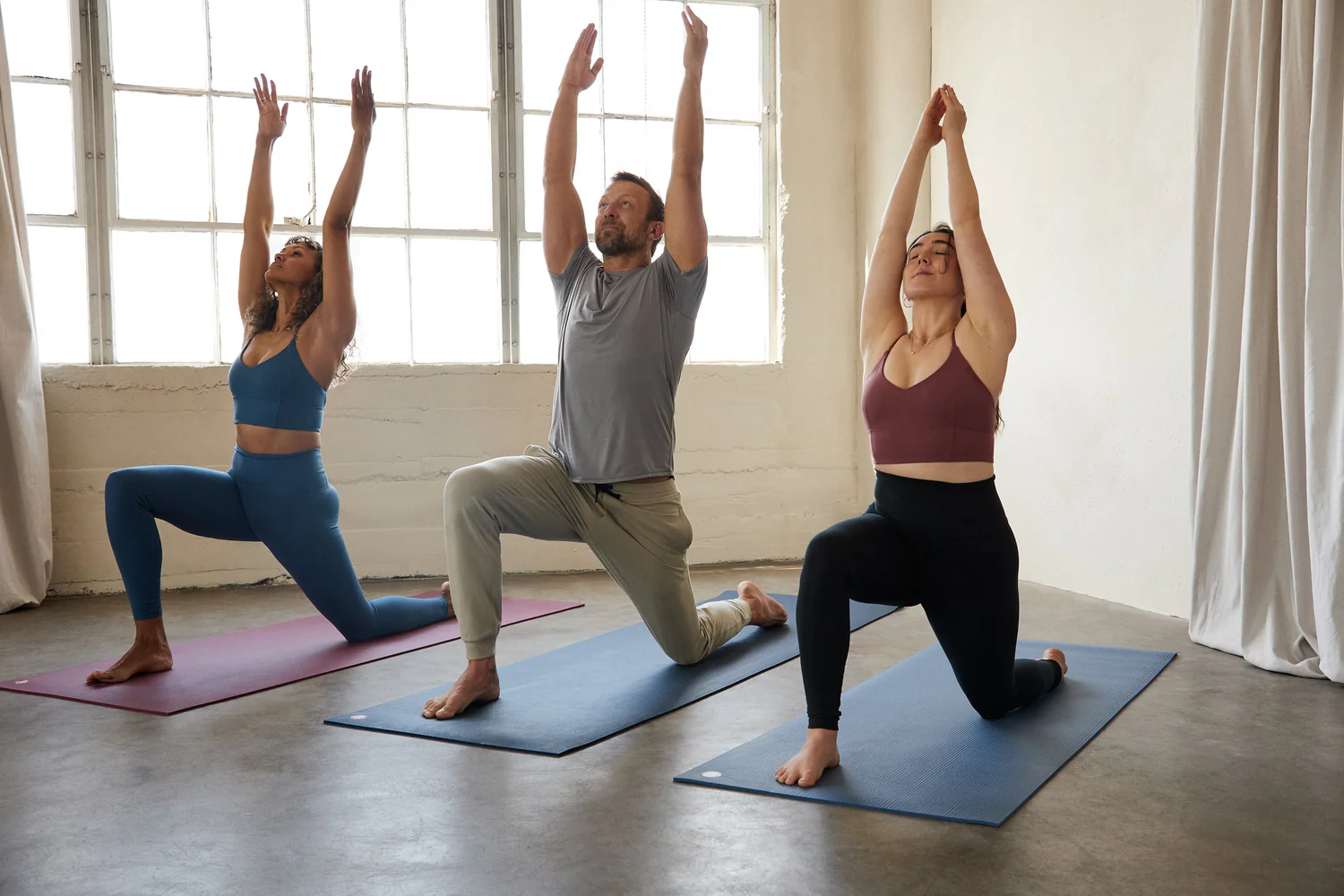
Food timing can change the quality of a yoga session. Eating too much can make twisting, bending, and breathing uncomfortable. Eating too little can reduce focus and energy. This matters even more when someone books a private yoga instructor singapore, because the session is personalized and should be used well. Arriving uncomfortable, hungry, or sluggish can limit how much the student gets from the one-to-one time.
Private yoga can be gentle, active, posture-focused, strength-based, or restorative depending on the student’s goals. Because the session can vary, food planning should match the type of practice. A calming evening session may need different meal timing from a stronger core and mobility session.
Why Food Timing Matters for Private Yoga
A private session gives the teacher room to focus closely on the student. The teacher may observe breath, posture, core engagement, and movement quality. If the student is too full or too hungry, these areas may be affected.
A heavy meal can make forward folds, twists, and core work unpleasant. It may also make the student feel sleepy. On the other hand, skipping food for too long can cause weakness, distraction, or irritability.
Good food timing helps the student feel steady and present.
Full Meals Before Class
A full meal is usually best eaten two to three hours before a yoga session. This gives the body time to digest while still providing energy.
A balanced meal may include carbohydrates, protein, vegetables, and healthy fats in moderate amounts. Examples include rice with lentils and vegetables, eggs with toast, tofu with noodles, fish with rice, or a balanced home-cooked plate.
The meal should not be overly heavy, oily, or spicy if the session includes movement. Comfort matters.
Light Snacks Before a Session
If the session is within an hour and the student feels hungry, a light snack may help. Good options include a banana, a few dates, yogurt, toast, fruit, or a small smoothie.
The snack should be easy to digest. The goal is to prevent low energy without filling the stomach.
For students attending after work, this is especially useful. Many people eat lunch early and then book an evening session while already hungry. A small snack can make the practice more productive.
Food Planning for Different Session Types
Private yoga can be adapted, so food should match the plan. If the session focuses on strong movement, core work, or balance, the student needs enough energy. If the session is restorative, a lighter meal may be fine.
If the session involves deep twists, inversions, or intense abdominal work, avoid eating too close to the practice. These movements are more comfortable when digestion is not overloaded.
Students can ask the instructor what type of session is planned and adjust meals accordingly.
Hydration Before Practice
Hydration should be steady throughout the day. Drinking too much water right before yoga can make the stomach feel uncomfortable.
For normal private yoga, simple water is usually enough. If the session is sweaty, heated, or scheduled after outdoor activity, the student may need more fluids.
Hydration affects breath, energy, and comfort. It should not be ignored just because the session is private.
What to Avoid Before Yoga
Certain foods and drinks may interfere with practice when eaten too close to class. Heavy fried meals, rich desserts, carbonated drinks, very spicy food, and large portions can cause discomfort.
Too much caffeine may also affect some students. It can make the body feel restless or increase heart rate during practice.
Students should learn from experience. If a food repeatedly causes discomfort, timing or portion size should be adjusted.
Eating After Private Yoga
After a session, food should support recovery. If the class was gentle, a normal meal may be enough. If it included strength, sweating, or long holds, the body may need more attention to protein, carbohydrates, and fluids.
Good post-yoga options include rice with vegetables and protein, lentil soup, eggs with toast, yogurt with fruit, tofu dishes, fish, chicken, or a balanced home meal.
The meal should nourish without undoing the calm gained from practice.
Evening Sessions and Dinner Timing
Many private sessions happen after work. The challenge is dinner timing. Eating a heavy dinner before class can feel uncomfortable, but waiting until very late may affect sleep.
A useful strategy is to have a light snack before class and a moderate dinner afterward. The dinner should be satisfying but not too heavy, especially if bedtime is close.
Soup, yogurt-based meals, eggs, rice bowls, or light protein with vegetables can work depending on appetite.
Morning Sessions and Breakfast
Some people prefer morning private yoga. They may practice before breakfast or after a small snack. This depends on personal tolerance.
If the student feels weak without food, a banana, dates, or toast can help. If they feel comfortable practicing on an empty stomach, breakfast can come afterward.
After a morning session, a balanced breakfast supports energy for the day.
Personal Food Awareness
Private yoga can help students become more aware of how food affects the body. A student may notice that heavy meals restrict breathing, caffeine increases restlessness, or poor hydration affects balance.
These observations are useful. They help the student build a routine that supports practice and daily wellbeing.
The instructor may not be a nutritionist, but they can help the student notice patterns related to comfort and movement.
Making Food Part of the Wellness Routine
Private yoga works best when the student arrives prepared. Food, hydration, clothing, and timing all affect the quality of practice. A session is more valuable when the body is ready to move and breathe comfortably.
For people in Singapore booking one-to-one yoga, Yoga Edition can support a personalized practice where movement, preparation, and recovery habits work together.
FAQs
What should I eat if my private yoga session is right after office hours?
Have a balanced lunch and a small snack before leaving work, such as fruit, toast, or dates. This helps avoid low energy without making the stomach too full.
Can I drink coffee before a private yoga session?
You can if your body tolerates it, but avoid too much caffeine before breathwork or evening sessions. It may make relaxation harder for some people.
Should I ask my yoga instructor for a meal plan?
A yoga instructor can give general timing suggestions, but detailed meal plans should come from a qualified nutrition professional, especially if you have diabetes, digestive issues, or medical dietary needs.
