
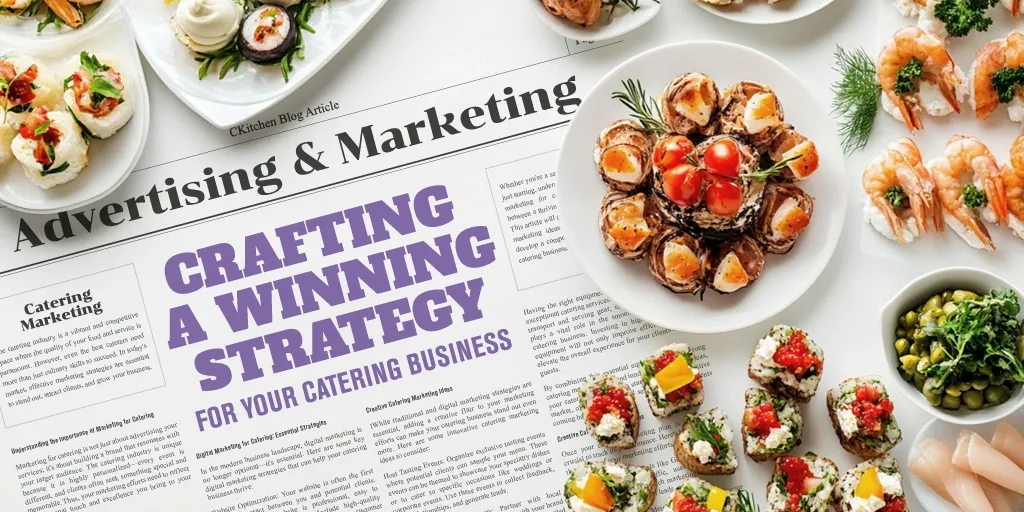
Understanding the Modern Catering Market Landscape
The catering industry has evolved into a fast-moving and highly competitive sector where customer expectations are constantly rising. Businesses are no longer competing only on taste. Clients now evaluate presentation quality, service speed, customization options, hygiene standards, and digital responsiveness before making decisions.
To grow successfully in competitive markets, catering businesses must adopt structured strategies that strengthen brand visibility, operational efficiency, and customer relationships.
Sustainable growth depends on positioning the business as reliable, adaptable, and professional rather than simply affordable.
Build a Strong and Memorable Brand Identity
Brand identity influences how clients perceive reliability and professionalism. A catering business that looks organized and trustworthy attracts higher-value clients and repeat bookings.
Key branding steps include:
- Designing a consistent logo and visual style
- Using uniform packaging and presentation formats
- Maintaining staff dress standards
- Creating a recognizable service theme
- Developing a clear brand message
Consistency across these elements increases recall value and builds long-term credibility in crowded markets.
Specialize Instead of Serving Everyone
Attempting to cater every type of event can dilute efficiency and brand clarity. Specialization helps businesses stand out.
Examples of profitable specialization areas include:
- Corporate catering services
- Wedding catering
- Outdoor event catering
- Health-conscious meal catering
- Premium gourmet catering
- Budget-friendly bulk catering
Focused positioning improves marketing accuracy and operational workflow efficiency.
Strengthen Digital Presence to Attract Modern Clients
Most clients now search online before booking catering services. Businesses without a digital presence lose visibility regardless of food quality.
Effective digital growth strategies include:
- Maintaining an updated website with menu details
- Posting high-quality food images regularly
- Sharing event setup highlights
- Collecting and displaying customer testimonials
- Enlisting services on local listing platforms
Strong digital visibility builds trust before the first conversation even begins.
Improve Menu Engineering for Profitability
Menu planning directly impacts both operational cost and customer satisfaction. Smart menu engineering balances taste appeal with profitability.
Practical menu strategies include:
- Offering customizable meal combinations
- Including seasonal ingredients to reduce costs
- Creating signature dishes unique to your brand
- Limiting overly complex preparation items
- Designing tiered pricing packages
Strategically structured menus increase order value while simplifying kitchen workflow.
Deliver Exceptional Presentation and Service Experience
Presentation influences perceived food quality even before tasting begins. Professional service also determines whether clients recommend your business.
Ways to enhance service experience:
- Maintain clean and organized buffet layouts
- Train staff in guest interaction etiquette
- Ensure punctual delivery timing
- Standardize serving procedures
- Use attractive serving equipment
Positive service experiences generate repeat business faster than advertising alone.
Build Partnerships With Event Industry Professionals
Collaborations help catering businesses secure steady booking pipelines without heavy marketing expenses.
Valuable partnership opportunities include:
- Event planners
- Wedding decorators
- Banquet halls
- Corporate offices
- Photography teams
- Party rental vendors
Mutual referrals create long-term growth networks and increase booking consistency.
Focus on Customer Retention Instead of Only New Leads
Acquiring new customers costs more than retaining existing ones. Loyal clients often become strong brand advocates.
Retention strategies include:
- Offering loyalty discounts for repeat bookings
- Sending festival greetings and special offers
- Maintaining customer preference records
- Requesting structured feedback after events
- Providing personalized menu suggestions for returning clients
Retention builds predictable revenue stability across seasons.
Optimize Operations Using Technology
Operational efficiency directly affects profit margins in catering businesses.
Useful technology improvements include:
- Inventory tracking systems
- Digital booking management
- Vendor coordination tools
- Staff scheduling applications
- Cost monitoring software
Technology reduces manual errors and improves service consistency during large-scale events.
Introduce Flexible Pricing Packages
Pricing flexibility helps businesses capture multiple customer segments without reducing perceived value.
Effective pricing strategies include:
- Basic packages for budget clients
- Mid-tier packages for corporate events
- Premium packages for weddings
- Add-on customization modules
- Seasonal promotional bundles
Structured pricing improves clarity and speeds decision-making for customers.
Maintain Strong Hygiene and Compliance Standards
Food safety is one of the most critical factors influencing reputation in the catering industry.
Essential hygiene practices include:
- Regular kitchen sanitization routines
- Staff hygiene training programs
- Proper storage temperature monitoring
- Safe transportation methods
- Compliance with local food safety regulations
High hygiene standards build trust and reduce operational risks.
Expand Through Strategic Local Marketing
Local marketing remains one of the most effective growth channels for catering businesses.
Strong local outreach ideas include:
- Participating in community events
- Sponsoring small gatherings
- Collaborating with nearby offices
- Partnering with residential societies
- Offering trial tasting sessions
Local visibility builds familiarity and increases referral-based bookings.
Frequently Asked Questions
How can small catering businesses compete with established companies
Small catering businesses can compete by specializing in niche services, offering personalized experiences, maintaining flexible pricing models, and building strong relationships with local event planners and corporate clients.
What marketing strategy works best for catering services
Visual marketing through social media platforms combined with customer testimonials and referral partnerships delivers consistent results for catering businesses.
How important is food presentation in catering success
Food presentation strongly influences client perception. Attractive presentation increases perceived value and improves customer satisfaction even before tasting begins.
Should catering businesses invest in their own delivery vehicles
Investing in dedicated delivery vehicles improves reliability, timing control, and brand professionalism, especially for businesses handling frequent large-scale events.
How can catering businesses increase repeat bookings
Maintaining client preference records, offering loyalty discounts, and sending personalized festival greetings help encourage repeat bookings.
What role does menu customization play in business growth
Customization increases customer satisfaction because it allows clients to tailor menus according to event size, budget, and dietary preferences.
Is corporate catering more profitable than event catering
Corporate catering often provides recurring revenue opportunities and predictable scheduling, making it a stable income stream compared to seasonal event catering.
