
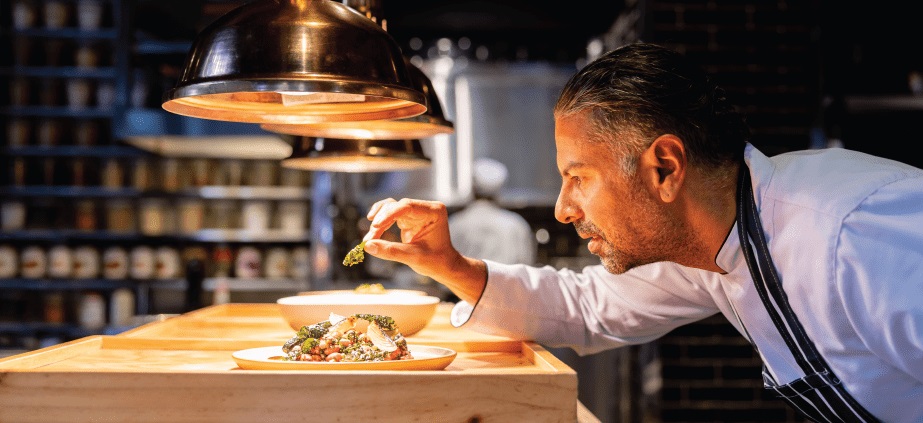
Dining out is no longer just about satisfying hunger. Today, guests expect something deeper: a sensory journey that stays with them long after the meal ends. Skilled chefs understand this shift and carefully design experiences that combine flavor, presentation, storytelling, and atmosphere.
A memorable dining experience is crafted through intention, creativity, and attention to detail at every stage of the guest’s visit.
Understanding the Guest Before Cooking the Meal
Great chefs do not cook in isolation. They consider who their guests are and what emotions they want them to feel.
Before designing menus, chefs often reflect on:
- The dining environment
- Guest expectations
- Cultural influences
- Seasonal availability
- Occasion-based dining such as celebrations or business meetings
For example, a tasting menu at a fine dining restaurant tells a story through multiple courses, while a neighborhood café menu focuses on comfort and familiarity. Matching food to context helps create connection and satisfaction.
Designing a Thoughtful Menu Journey
A memorable meal feels intentional from start to finish. Chefs structure menus like narratives, where each course plays a role.
They carefully balance:
- Texture contrasts
- Flavor progression
- Portion size control
- Temperature variation
- Visual rhythm across courses
Instead of serving dishes randomly, chefs create transitions. A light appetizer prepares the palate. A bold main course delivers depth. A refreshing dessert provides closure. This sequence keeps guests engaged throughout the meal.
Using Seasonal and High-Quality Ingredients
Ingredient quality shapes the entire dining experience. Fresh, seasonal ingredients naturally improve taste, aroma, and presentation.
Experienced chefs prioritize:
- Local sourcing when possible
- Seasonal produce
- Responsible seafood selection
- Premium pantry essentials
- Fresh herbs and spices
Seasonal cooking also adds excitement. Guests returning months later often discover new dishes inspired by changing harvest cycles.
Creating Visual Appeal Through Plating
People eat with their eyes first. Visual presentation influences expectations before the first bite.
Professional chefs use plating techniques to:
- Highlight main ingredients
- Control color contrast
- Create balance on the plate
- Guide where guests take the first bite
- Reinforce the restaurant’s identity
A thoughtfully plated dish communicates care and craftsmanship without needing explanation.
Engaging Multiple Senses Beyond Taste
Memorable dining experiences involve more than flavor. Chefs collaborate with restaurant teams to create full sensory immersion.
This includes attention to:
- Aroma released at the table
- Lighting atmosphere
- Background sound levels
- Plate textures and materials
- Table-side finishing techniques
These subtle elements transform meals into experiences guests remember and talk about.
Adding Storytelling to the Meal
Stories create emotional connections. Many chefs design dishes inspired by personal memories, regional traditions, or cultural heritage.
Storytelling may include:
- Explaining ingredient origins
- Sharing inspiration behind recipes
- Highlighting traditional cooking techniques
- Introducing unfamiliar flavors with context
Guests who understand a dish’s story often appreciate it more deeply.
Timing Service With Precision
Even perfectly cooked food loses impact if served at the wrong moment. Timing plays a critical role in experience design.
Professional kitchens coordinate carefully to ensure:
- Courses arrive at the right pace
- Food reaches ideal serving temperature
- Guests never feel rushed
- Waiting times remain comfortable
Well-managed timing creates a smooth and relaxed dining rhythm.
Collaborating With the Service Team
Chefs rarely work alone when shaping dining experiences. Front-of-house staff help translate culinary ideas into guest satisfaction.
Effective collaboration ensures:
- Accurate dish explanations
- Smooth communication with guests
- Dietary needs handled properly
- Course pacing adjusted when necessary
When kitchen and service teams operate together seamlessly, guests feel cared for rather than processed.
Encouraging Surprise and Delight Moments
Unexpected touches often leave the strongest impressions.
Chefs sometimes include:
- Complimentary amuse-bouche
- Table-side finishing gestures
- Off-menu tastings
- Personalized desserts for celebrations
- Chef visits to guest tables
These moments create emotional connection and lasting memories.
Maintaining Consistency Across Visits
Consistency builds trust. Guests return when they know they can expect reliable quality.
Professional chefs maintain standards through:
- Recipe documentation
- staff training
- ingredient sourcing discipline
- tasting checks before service
- kitchen workflow structure
Consistency ensures every guest receives the experience the restaurant promises.
FAQs About How Chefs Create Memorable Dining Experiences
How do chefs decide the order of dishes in a tasting menu
Chefs arrange courses based on flavor intensity, texture contrast, and palate fatigue prevention so each dish feels distinct and enjoyable.
Why is plating considered important in professional kitchens
Plating enhances visual appeal, signals quality, and shapes expectations before guests taste the food.
Do chefs personally interact with restaurant guests
In many restaurants they do. Chef interaction strengthens emotional connection and builds trust with diners.
How does restaurant atmosphere influence food perception
Lighting, music, and table setting affect mood and can make flavors feel richer or more comforting depending on the environment.
What role does ingredient sourcing play in guest satisfaction
Fresh and responsibly sourced ingredients improve flavor quality and strengthen the restaurant’s reputation.
Why do some chefs change menus frequently
Menu updates allow chefs to highlight seasonal ingredients and keep returning guests interested.
How do chefs handle different dietary preferences while maintaining experience quality
They prepare adaptable recipes, train staff carefully, and design alternative dishes that match the original menu’s intent without compromising flavor balance.
