
Great cooking is not about hiding ingredients under heavy seasoning. It is about helping their natural taste shine. When handled with the right techniques, vegetables become sweeter, meats develop deeper character, and herbs release aromatic complexity without needing excess additives.
Understanding how heat, timing, moisture, and texture interact with ingredients can transform everyday meals into memorable dishes.
Roasting for Concentrated Sweetness
Roasting uses dry heat to intensify flavor by removing moisture and encouraging natural sugars to caramelize. This method works especially well for root vegetables and proteins.
Key benefits of roasting include:
- Enhances natural sweetness
- Creates crisp outer texture
- Deepens savory complexity
- Requires minimal seasoning
Best ingredients for roasting:
- Carrots
- Potatoes
- Pumpkin
- Cauliflower
- Chicken
- Fish fillets
Use moderate to high oven temperatures and avoid overcrowding the tray to allow proper browning.
Sautéing for Quick Flavor Release
Sautéing cooks food quickly in a small amount of oil over medium to high heat. This technique preserves texture while unlocking aroma.
Why sautéing works well:
- Retains freshness
- Preserves nutrients
- Releases essential oils from herbs and spices
- Maintains natural color
Ingredients especially suited for sautéing include:
- Garlic
- Mushrooms
- Leafy greens
- Zucchini
- Bell peppers
Use a wide pan and keep ingredients moving to prevent burning.
Steaming for Pure Ingredient Taste
Steaming preserves the original flavor of ingredients better than most cooking methods. Because food does not contact water directly, nutrients and texture remain intact.
Advantages of steaming include:
- Maintains natural color
- Preserves vitamins
- Keeps texture crisp yet tender
- Requires little or no oil
Ideal ingredients for steaming:
- Broccoli
- Beans
- Spinach
- Fish
- Dumplings
Add herbs or citrus zest after steaming to enhance aroma naturally.
Grilling for Smoky Depth
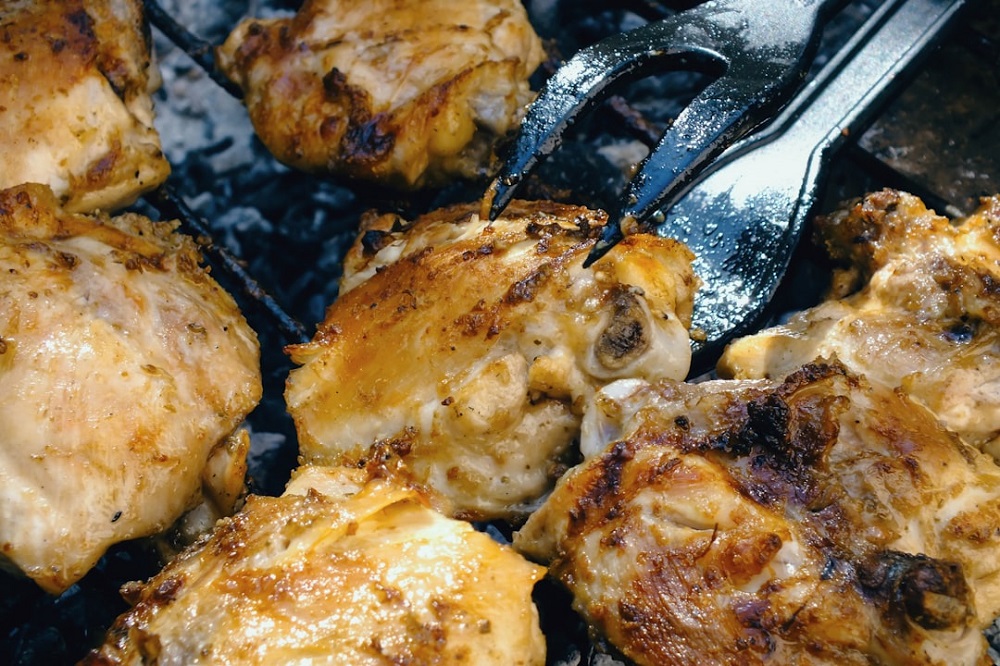
Grilling exposes food to direct heat, producing a slightly charred exterior that adds depth without masking the original flavor.
Why grilling enhances taste:
- Creates smoky aroma
- Develops appealing texture contrast
- Reduces excess fat
- Highlights natural sugars in vegetables
Excellent grilling choices:
- Corn
- Eggplant
- Chicken
- Paneer
- Tomatoes
Marinate lightly rather than heavily to avoid overpowering natural taste.
Slow Cooking for Deep Natural Richness
Slow cooking allows ingredients to release their flavors gradually. Over time, natural juices blend together into a rich and balanced profile.
Benefits include:
- Tender texture development
- Stronger ingredient integration
- Reduced need for artificial flavoring
- Ideal for tougher cuts and legumes
Best suited ingredients:
- Lentils
- Beans
- Tough meat cuts
- Root vegetables
Maintain low heat and allow enough time for flavors to develop naturally.
Blanching to Preserve Freshness
Blanching briefly cooks vegetables in boiling water followed by rapid cooling. This technique locks in flavor and color while maintaining crispness.
Advantages include:
- Retains bright color
- Preserves structure
- Enhances mild sweetness
- Removes bitterness from some vegetables
Common vegetables for blanching:
- Spinach
- Green beans
- Peas
- Broccoli
It is especially useful before freezing or stir frying.
Using Minimal Seasoning Strategically
Seasoning should support ingredients rather than dominate them. Simple combinations often produce the best results.
Effective seasoning strategies include:
- Add salt gradually instead of all at once
- Use fresh herbs near the end of cooking
- Add citrus juice for brightness
- Use whole spices instead of powdered versions when possible
This approach allows natural flavor layers to stay clear and balanced.
Choosing Fresh Ingredients First
Even the best cooking technique cannot compensate for poor ingredient quality. Fresh produce naturally contains stronger aroma, better texture, and more complex taste.
Look for:
- Vibrant color
- Firm texture
- Natural fragrance
- Seasonal availability
Cooking begins long before heat touches the pan. Ingredient selection sets the foundation for flavor.
FAQ Section
Why does roasting make vegetables taste sweeter
Roasting removes moisture and concentrates natural sugars, allowing caramelization to develop deeper sweetness.
Is steaming healthier than frying
Steaming preserves nutrients better because it uses little to no oil and prevents vitamin loss into cooking liquids.
Can grilling vegetables improve their flavor without seasoning
Yes. Direct heat creates light charring that enhances natural sugars and adds smoky depth.
What oils work best for sautéing
Neutral oils such as sunflower oil, peanut oil, or light olive oil perform well because they tolerate higher temperatures.
Does slow cooking reduce nutrients in food
Some nutrients may decrease slightly over time, but the technique improves digestibility and flavor complexity.
How do chefs keep natural flavors strong while cooking
They control heat carefully, avoid overcrowding pans, and season gradually instead of heavily at once.
Why is blanching followed by cooling important
Rapid cooling stops the cooking process immediately, helping vegetables keep their color, texture, and freshness.
