
Color influences perception long before flavor is experienced. In bakeries and dessert businesses, cake color acts as a silent communicator that shapes expectations, emotions, and purchasing decisions. Customers often decide whether a cake feels festive, luxurious, comforting, or healthy within seconds of seeing it.
Understanding how colors affect customer psychology helps bakers design cakes that resonate emotionally and sell more effectively. From birthday celebrations to weddings and corporate gifting, color selection plays a strategic role in shaping customer preference.
Why Cake Color Matters in Purchase Decisions
Visual appearance is the first interaction customers have with a cake. Before tasting or smelling it, they evaluate its color palette subconsciously.
Cake colors influence
- emotional connection
- perceived flavor expectations
- occasion suitability
- brand positioning
- impulse buying behavior
For example, bright colors suggest fun celebrations, while muted tones signal sophistication and elegance.
When bakeries align color design with customer expectations, they increase satisfaction and repeat purchases.
How Different Cake Colors Influence Customer Emotions
Each color carries emotional meaning shaped by culture, memory, and experience. These meanings influence how customers respond to cakes even before tasting them.
Red Cakes
Red communicates excitement, romance, and indulgence. Customers associate red cakes with celebration and richness.
Common associations include
- romantic occasions
- anniversaries
- Valentine-themed desserts
- premium flavor expectations such as red velvet
Red cakes often trigger impulse purchases because they feel energetic and festive.
Pink Cakes
Pink represents sweetness, softness, and affection. It appeals strongly in birthday cakes for children and baby celebrations.
Customers often choose pink cakes for
- baby showers
- girls’ birthdays
- engagement celebrations
- themed dessert tables
Pastel pink shades create warmth and comfort, increasing emotional attachment.
Yellow Cakes
Yellow evokes happiness and optimism. It suggests freshness and light flavors like lemon or pineapple.
Customers perceive yellow cakes as
- cheerful
- welcoming
- daytime-appropriate desserts
- suitable for casual gatherings
This color works well in summer bakery displays.
Blue Cakes
Blue conveys calmness and uniqueness. Because blue desserts are less common naturally, they attract attention quickly.
Customers often interpret blue cakes as
- modern
- creative
- trendy
- ideal for themed parties
Blue is especially popular for children’s celebrations and customized cakes.
The Role of White Cakes in Premium Positioning
White cakes symbolize elegance, purity, and sophistication. They dominate wedding markets because they represent tradition and timeless style.
Customers often associate white cakes with
- luxury
- cleanliness
- high quality ingredients
- formal celebrations
Adding subtle accents like gold or fresh flowers enhances the premium perception without overwhelming the design.
Pastel Colors and Modern Consumer Preferences
Soft pastel tones have become increasingly popular in contemporary bakery trends. These colors communicate calmness and aesthetic appeal that aligns with social media presentation styles.
Pastel cakes are frequently chosen because they appear
- photogenic
- delicate
- trendy
- suitable for minimalist celebrations
Customers planning Instagram-friendly events often prefer pastel palettes over bold colors.
Bright Multicolor Cakes and Celebration Psychology
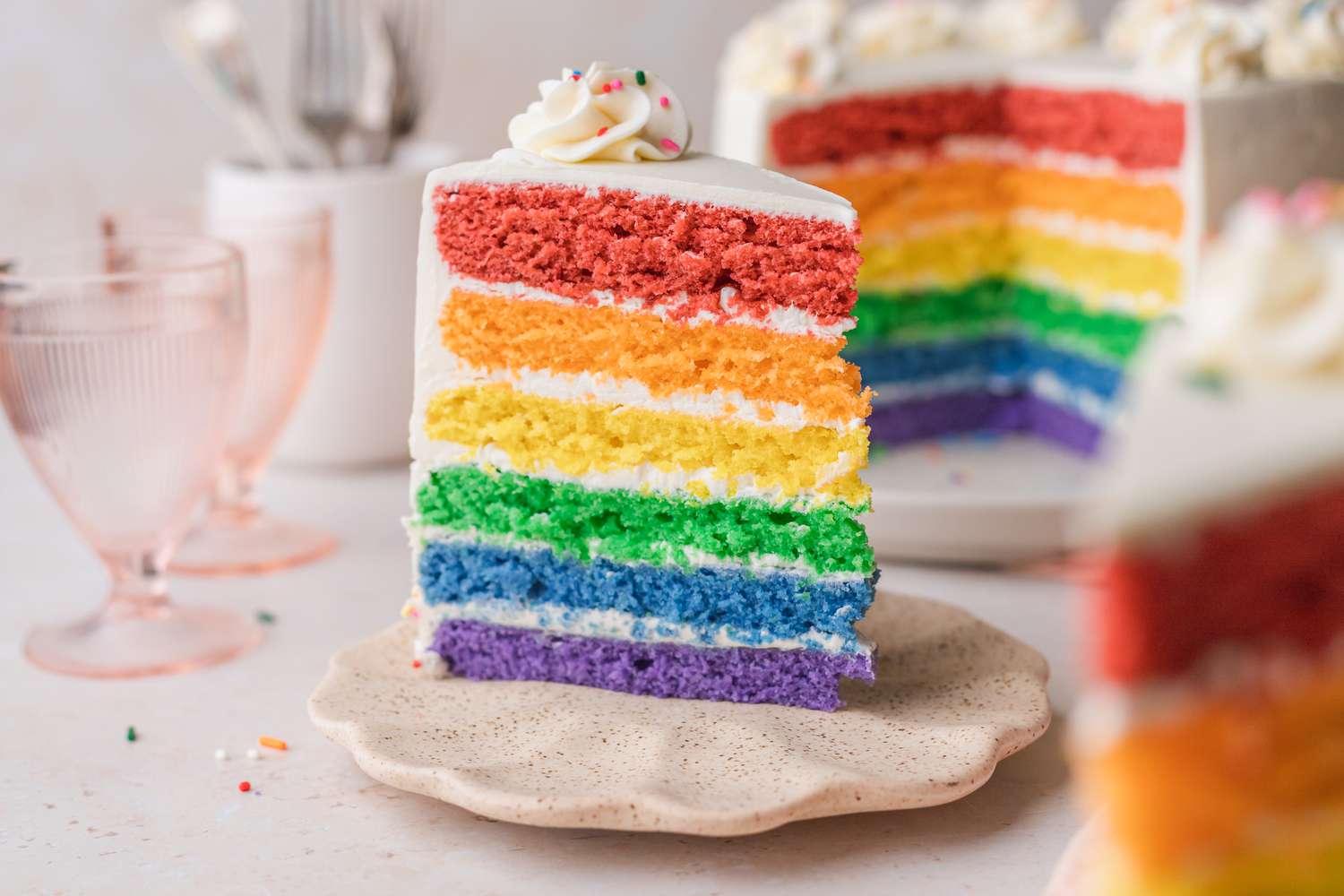
Multicolor cakes signal excitement and joy. They are strongly connected to birthday celebrations and children’s parties.
These cakes attract customers looking for
- playful designs
- energetic celebration themes
- memorable centerpiece desserts
- surprise visual experiences when sliced
Rainbow-layer cakes especially create anticipation and delight during cake cutting moments.
Cultural Influence on Cake Color Choices
Customer preferences vary depending on cultural symbolism attached to colors.
Examples include
- red representing celebration and prosperity in many Asian communities
- white symbolizing weddings in Western traditions
- yellow linked to festive rituals in several regions
- green associated with freshness and nature-focused celebrations
Understanding these meanings helps bakeries customize offerings for diverse customer groups.
Seasonal Trends That Affect Cake Color Selection
Customer choices shift depending on seasonal mood and event calendars.
Popular seasonal preferences include
Spring
- pastel pink
- lavender
- mint green
Summer
- yellow
- turquoise
- bright orange
Autumn
- caramel tones
- deep red
- chocolate shades
Winter
- white
- silver accents
- deep blue
Matching cake colors with seasonal expectations increases visual relevance and purchase likelihood.
The Connection Between Cake Color and Flavor Expectations
Customers unconsciously predict flavor based on appearance.
Typical expectations include
- yellow suggests citrus or vanilla
- brown signals chocolate richness
- pink implies strawberry sweetness
- green indicates pistachio or mint freshness
When cake color aligns with expected flavor, customer satisfaction increases significantly.
How Bakeries Can Use Color Psychology Strategically
Professional bakeries can improve sales performance by designing color-focused product displays.
Effective strategies include
- highlighting bright cakes near store entrances
- showcasing premium white cakes in central displays
- rotating seasonal color themes monthly
- offering customizable color palettes for events
- aligning brand identity with signature color styles
Color consistency also strengthens brand recognition over time.
Digital Influence on Cake Color Preferences
Social media platforms shape how customers evaluate cakes visually. Highly shareable cake colors often receive more attention and generate organic promotion.
Trending digital-friendly color choices include
- pastel gradients
- marble textures
- metallic accents
- monochrome palettes
Customers increasingly choose cakes that photograph well during celebrations.
Conclusion
Cake color plays a powerful role in shaping customer emotion, expectations, and purchasing behavior. From romantic red tones to elegant white finishes and playful rainbow designs, each color influences how customers interpret the occasion and experience the dessert.
Bakeries that understand color psychology can design cakes that connect emotionally with customers while improving sales potential and brand identity. Thoughtful color selection transforms cakes from simple desserts into meaningful celebration centerpieces.
Frequently Asked Questions
How does cake color influence impulse purchases
Bright and visually striking cake colors attract attention quickly, encouraging customers to make spontaneous buying decisions, especially in retail bakery environments.
Do darker cake colors make desserts look richer
Yes, darker tones such as chocolate brown or deep red often create an impression of richness and indulgence, making them popular for premium dessert positioning.
Why are pastel cakes trending in modern celebrations
Pastel cakes match contemporary event aesthetics and photograph well for social media sharing, increasing their popularity among younger customers.
Can cake color affect perceived freshness
Customers often associate lighter and brighter colors with freshness, especially when linked to fruit-based flavors like lemon or strawberry.
Are neutral-colored cakes suitable for corporate events
Neutral tones such as white, beige, and soft gray communicate professionalism and elegance, making them appropriate for formal business gatherings.
How do children respond differently to cake colors than adults
Children are naturally drawn to bright and contrasting colors such as red, blue, and rainbow combinations, while adults often prefer softer or minimalist palettes.
Should cake color match event decoration themes
Matching cake colors with event décor enhances visual harmony and makes the cake appear more personalized and thoughtfully designed.
