
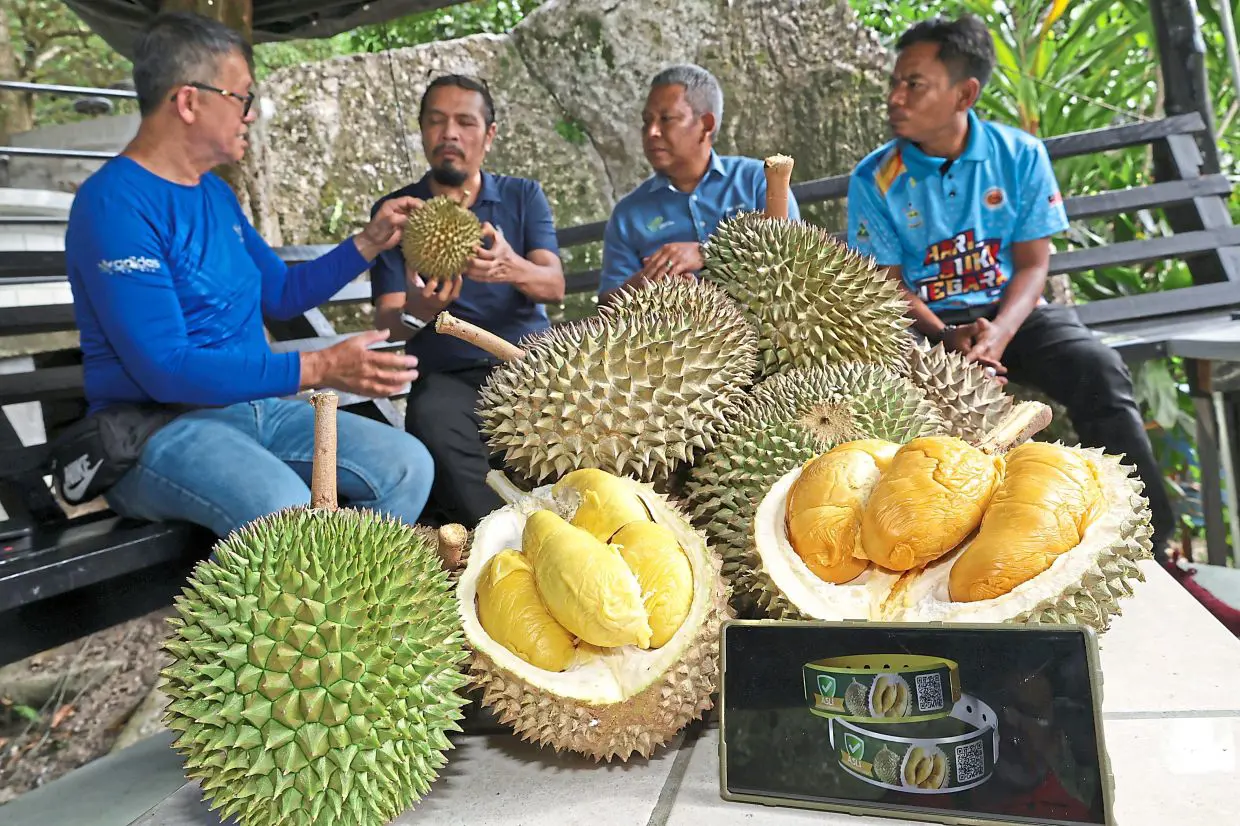
Durian season affects price, flavour, availability and the way the fruit has to be handled before it reaches the customer. For buyers, it shapes order timing and supply planning. For chefs, it affects menu decisions and consistency. For fruit lovers, it often decides whether the durian tastes mild, creamy, rich or too far past its best.
In the export market, durian Thailand supply is linked closely to region and harvest timing. Eastern provinces such as Chanthaburi, Rayong and Trat usually drive the earlier part of the season, while southern growing areas such as Chumphon and Surat Thani help extend availability later in the year. That longer window gives commercial buyers more room to plan, but it does not make every month equal.
For importers and distributors, season matters because demand often moves faster than supply. When peak harvest begins, buyers need to confirm volume, variety, grade, packaging and freight plans before the strongest fruit is already committed elsewhere. Waiting too long can mean fewer choices, weaker pricing control or fruit that does not match the intended market.
Variety planning is part of the same issue. Monthong is widely used for export because it has thick flesh, a milder aroma and better handling qualities for longer-distance shipping. Chanee has a stronger aroma and a bolder flavour, while Kan Yao sits in a more premium position with a creamy texture and higher price point. A buyer choosing between these varieties is not only choosing taste. They are choosing shelf life, customer profile and commercial positioning.
For chefs and dessert operators, season affects how reliable the ingredient will be. Fresh durian may be used in desserts, pastries, ice cream, drinks, hotel buffets or premium fruit plates, but the menu has to match the supply window. A chef can build interest around seasonal fruit, but only if the quality and ripeness are predictable enough to serve consistently. Outside the strongest fresh season, frozen pulp or other processed durian formats may be more practical.
Retailers face a different challenge. Whole durian needs careful grading, packing and storage because customers judge it on aroma, flesh quality, ripeness and value. A supermarket may want retail-ready packs, branded labels or fruit that can hold up well through display and handling. A specialist fruit shop may focus more on variety, maturity and the eating experience. Season affects both approaches because the best option depends on what is available at that point in the harvest cycle.
Fruit lovers care about season for a simpler reason. Durian tastes better when the variety, maturity and handling are right. Fruit picked too early can feel flat, while fruit that has moved too far can become overly soft or strong. During the main season, customers are more likely to find better flavour, better variety choice and fruit that reflects the style they prefer.
Seasonal planning is where all three groups meet. Buyers need reliable supply, chefs need usable consistency, and consumers want the fruit to taste right. Durian is not just another tropical fruit that can be treated the same all year. Its commercial value depends on timing, maturity, variety and the route it takes from orchard to customer.
